A lot of travelers write to us asking the same thing. Can you actually get from Nairobi to Amboseli on your own, without booking a full safari package? Yes, you can. It just takes patience, a bit of planning, and a willingness to change matatus more than once.
This guide walks through every real nairobi to amboseli public transport option we know of, with current fares, honest travel times, and where to sleep if the last leg does not work out same day.
Why consider Nairobi to Amboseli public transport instead of a safari package
The obvious reason is money. A packaged transfer from Nairobi to Amboseli usually runs USD 150 to 300 per person depending on the vehicle and group size. Doing it yourself by matatu and taxi can cost under KES 2,000, roughly USD 15.
The trade-off is time and comfort. Public routes to Amboseli were built for local trade, not tourists, so connections are indirect and vehicles fill up before they leave. If you have a flexible schedule and don’t mind a long day, it works. If you land in Nairobi at night and need to be in the park by lunch tomorrow, it gets harder.
Flying from Wilson Airport
The fastest option by far is a short flight from Wilson Airport in Nairobi to one of Amboseli’s airstrips, mainly Empusel or the strip near the main gate. Safarilink and AirKenya both fly this route, with flights around 30 to 45 minutes.
Fares run roughly USD 150 to 250 one way, which is well above backpacker budget, but worth mentioning because some travelers combine a bus in and a flight out when they run short on time. It is also worth comparing how flight costs compare on the Nairobi to Masai Mara flight cost route, since Amboseli fares sit in a similar band.
Train to Emali, then onward by road
The Nairobi to Mombasa SGR stops at Emali, about 160 km from Nairobi. Economy fare is around KES 1,000 and the ride takes about 90 minutes, arriving at a station a few kilometers outside Emali town.
From Emali, you need a matatu or shared taxi heading toward Loitokitok. These leave from the main Emali stage on the Namanga-Loitokitok road. The stretch from Emali to the Amboseli area covers about 80 km and takes 1.5 to 2.5 hours depending on how rough the road is that season. Fare is typically KES 300 to 500 for the matatu, plus another KES 500 to 1,500 for a boda boda or taxi from Kimana junction to the actual park gate.
Bus or matatu via Namanga
This is the route most people mean when they ask about a bus to Amboseli. Matatus and shared taxis to Namanga leave from the Nairobi River Road and Muthurwa area, close to the main bus stage. The 165 km trip to the Kenya-Tanzania border town takes about 2.5 to 3 hours on a mostly tarmacked road, with fares around KES 500 to 700.
The catch is that Namanga sits about 75 km from Amboseli’s Kimana or Meshanani gates, and there is no regular matatu covering that stretch. You will need to negotiate a private taxi or hop onto whatever pickup is heading that way, which can cost KES 3,000 to 5,000 depending on your bargaining and the season.
Bus or matatu via Emali, Loitokitok and Kimana
The second common route runs through Emali and Loitokitok rather than Namanga. Matatus for Loitokitok leave from the Railways or Kencom stages in Nairobi, cost around KES 700 to 900, and take 4 to 5 hours to cover roughly 230 km.
This route drops you closer to the park than the Namanga option. Kimana town sits about 15 km from the Kimana gate, and Loitokitok is a bit further at around 25 km. From either town, boda bodas and shared taxis cover the last stretch for KES 300 to 1,000.
Fares and travel times compared
Here is how the main options stack up, using indicative 2026 pricing per person, one way.
| Route | Distance | Drive/Travel Time | Approx. Cost (one way) |
|---|---|---|---|
| Fly, Wilson Airport to Amboseli airstrip | ~150 km air | 30 to 45 min | USD 150 to 250 |
| Train to Emali + matatu/taxi to gate | ~240 km total | 3.5 to 5 hrs | KES 1,800 to 2,500 |
| Matatu via Namanga + taxi to gate | ~240 km total | 5 to 7 hrs | KES 3,500 to 5,700 |
| Matatu via Emali/Loitokitok + boda to gate | ~250 km total | 5 to 6.5 hrs | KES 1,000 to 1,900 |
| Self-drive (own or rented 4×4) | ~230 to 240 km | 4 to 5 hrs | Fuel + KES 300 vehicle entry fee |
| Packaged safari transfer | ~230 to 240 km | 4 to 5 hrs | USD 150 to 300 |
Prices shift with fuel costs and season, so treat these as a working range rather than fixed fares.
Road conditions and whether you need a 4×4
The Nairobi to Namanga and Nairobi to Emali roads are tarmacked and fine in any vehicle. The trouble starts on the last stretch into the park, especially the road from Kimana or Loitokitok toward the gates. It is unpaved in sections, dusty in the dry months, and can turn slick and rutted after rain.
You don’t strictly need a 4×4 to reach the gate in dry weather, but once you are inside Amboseli National Park itself, ground clearance matters. The lake bed areas flood easily and low sedans can get stuck. If you are self-driving, a 4×4 is the safer call, especially between November and May when rains are heaviest.
Where to sleep if you arrive late
If your connections don’t line up and you can’t reach the gate before dark, Kimana and Loitokitok both have basic guesthouses in the KES 1,500 to 3,500 range, enough for a clean room and a hot shower. Kimana also has a handful of budget campsites just outside the park boundary if you’re carrying your own tent, which suits the backpacker route well.
We would not recommend trying to reach the gate after dark on the unpaved stretch. It is safer, and honestly more comfortable, to break the trip into two days.
Amboseli National Park entrance fees
As of 2026, KWS lists Amboseli non-resident adult entry at around USD 60 per day, non-resident children roughly USD 35. Kenyan citizens pay about KES 300, and residents around KES 600. Vehicle entry fees are separate and modest, typically under KES 1,000 for a standard car. These figures move periodically, so it’s worth checking the current KWS rate sheet before you travel.
Is public transport worth it?
Here’s our honest take. If you are traveling solo or as a couple, comfortable with a long day, and genuinely tight on budget, the Emali-Loitokitok matatu route is the best value. It’s cheaper and more direct than going via Namanga.
But if you’re short on time, traveling with family, or arriving on an international flight the same day, the math changes. A shared shuttle or small group transfer often costs only slightly more than stitching together three separate vehicles yourself, and it removes the risk of getting stranded in Kimana at dusk. For many travelers, especially those also comparing Amboseli to Tsavo or combining Amboseli with the Masai Mara, a planned transfer simply uses your limited days better.
The Valley Safaris Difference
We’ve driven every one of these roads more times than we can count, and we know exactly which matatu stage gets you there fastest and which taxi drivers in Kimana are fair. When we build a trip, we don’t just quote a transfer price. We tell you honestly whether the public route makes sense for your dates, your budget, and your group.
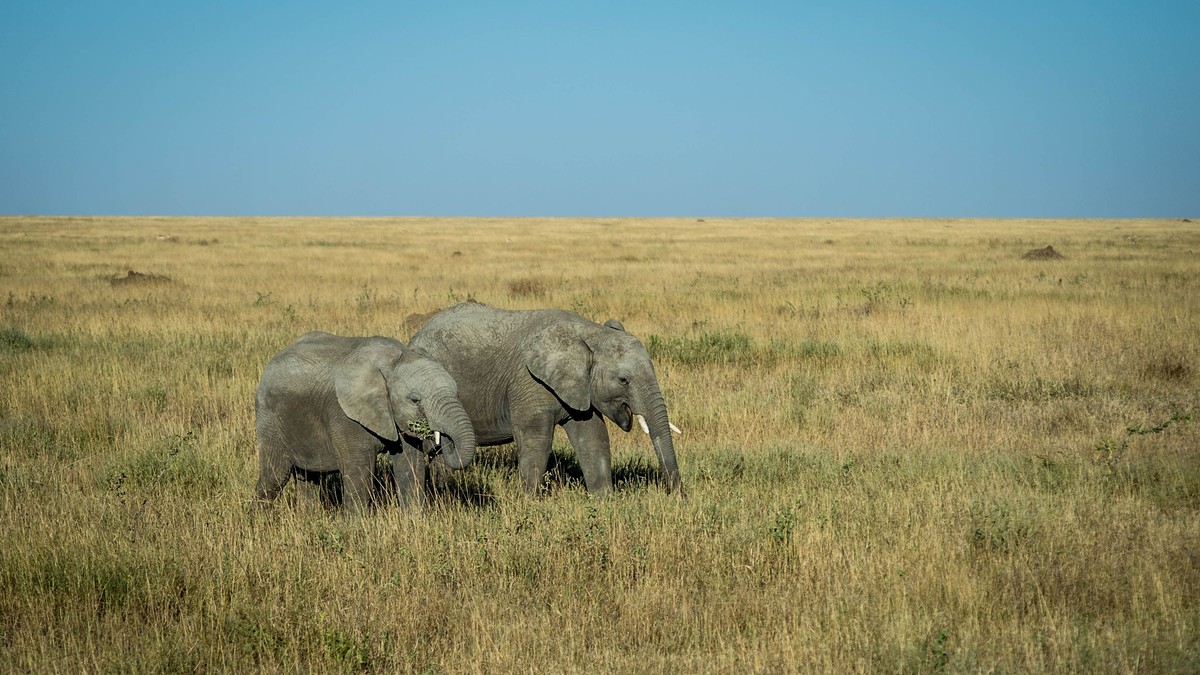
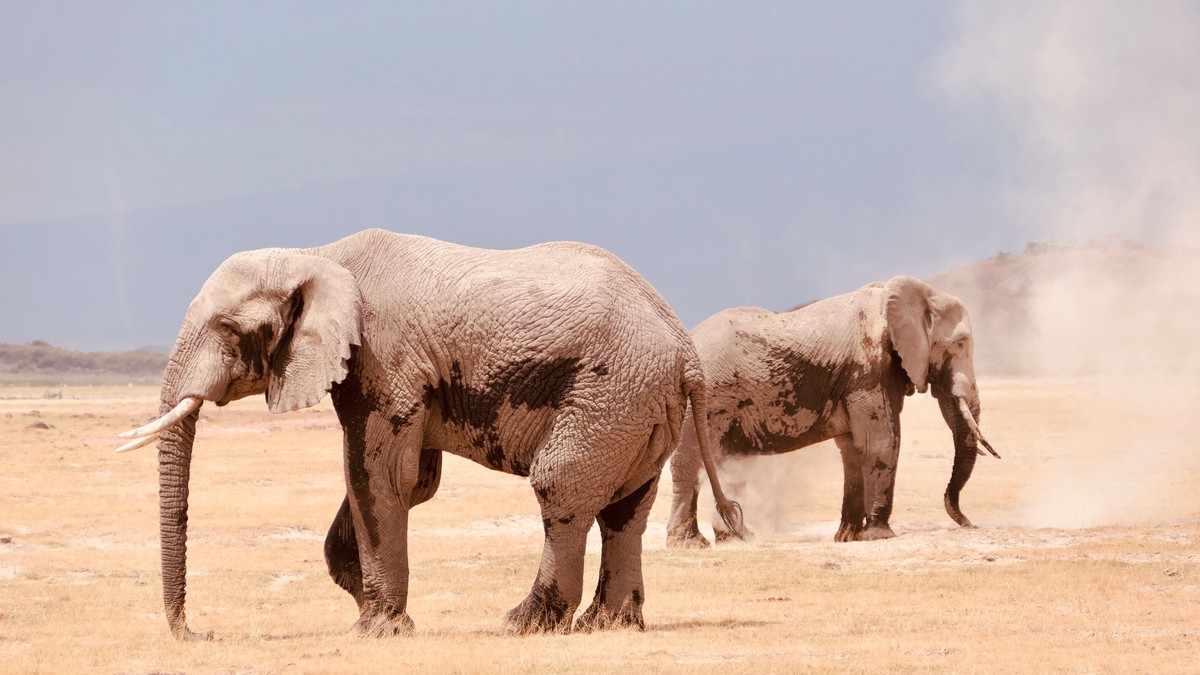
Our guides also know Amboseli’s daily elephant movements around Observation Hill and the swamps, something no bus schedule can offer. If you’re joining a group safari to keep costs down, we match you with travelers on a similar budget and timeline, so you get the camaraderie of backpacking with the safety of a proper vehicle.
Plan your Amboseli trip with us
If the logistics above feel like more hassle than you want on your holiday, let us handle the road. Have a look at our Amboseli safari packages to see group departures and transfer options, or reach out through our contact page and we’ll help you plan the route that fits your budget and your dates.